In 2026, experienced American travelers are quietly skipping many once-iconic US destinations. Overcrowding, inflated prices, declining experience quality, and sustainability concerns are changing how people judge “value” in travel. This in-depth guide explains which popular places travelers are avoiding, why expectations no longer match reality, and where smarter alternatives are emerging across the United States.
Introduction: When “Popular” No Longer Means “Worth Visiting”
For years, American travel culture revolved around a familiar checklist. Las Vegas. Times Square. South Beach. The Grand Canyon. Visiting these places felt almost mandatory, especially for first-time travelers. They were iconic, heavily promoted, and deeply embedded in popular culture.
But in 2026, something has shifted.
A growing group of seasoned travelers—frequent flyers, digital nomads, retirees, remote workers, and even families—are intentionally avoiding many of these “must-see” destinations. Not because the places have lost their beauty, but because the experience no longer justifies the cost, crowds, and stress.
Today’s travelers are asking sharper questions:
- Will I actually enjoy my time there?
- How much of my trip will be spent waiting in lines?
- Is this destination designed for visitors—or just optimized for volume?
For many popular US destinations, the answers are increasingly disappointing.
What Changed in US Travel After 2024?
The shift away from popular destinations didn’t happen overnight. Several structural changes reshaped travel behavior in the United States.
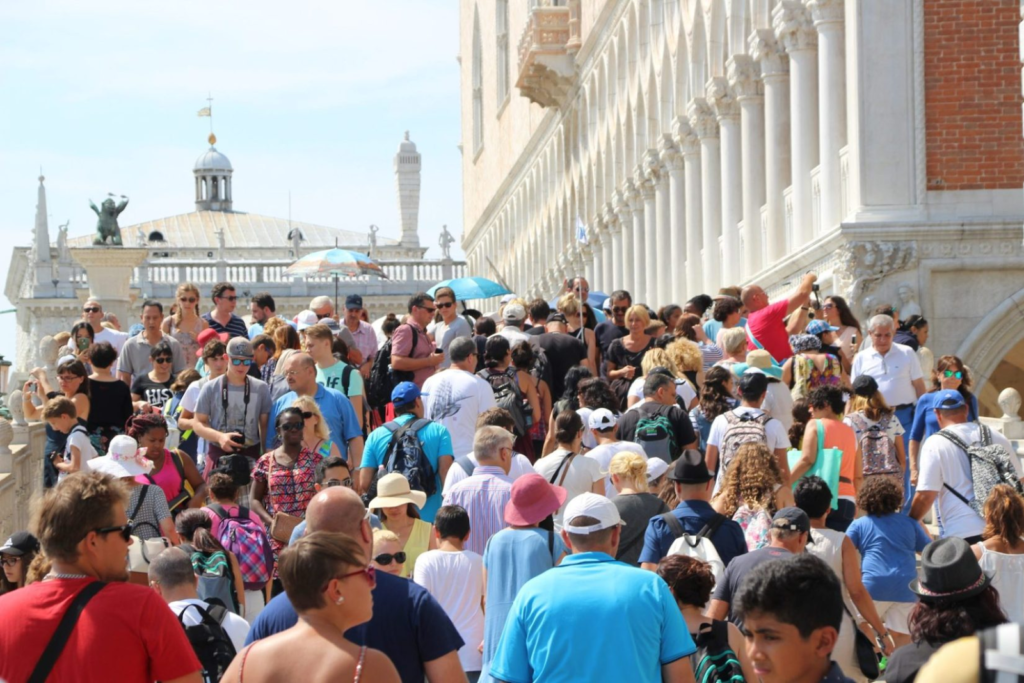
Overcrowding Has Become the Norm
According to the National Park Service and multiple tourism boards, visitation to top US attractions surpassed pre-pandemic levels by 2024 and continued rising through 2025. Places that were once “busy” are now consistently overcrowded.
Travelers describe:
- Long security lines at attractions
- Shuttle systems replacing free exploration
- Limited reservations for activities that were once spontaneous
What used to feel exciting now feels exhausting.
Prices Rose Faster Than Experience Quality
Hotel prices in major US destinations rose sharply between 2021 and 2025, while airfare volatility made budgeting unpredictable. Resort fees, parking charges, and service add-ons became standard.
The problem?
The experience didn’t improve at the same pace.
Savvy travelers began comparing:
- Cost per night vs. hours of actual enjoyment
- Entry fees vs. emotional satisfaction
- Convenience vs. time wasted navigating crowds
When destinations failed those comparisons, travelers started looking elsewhere.
Which “Popular” US Destinations Are Travelers Avoiding in 2026?
This isn’t about labeling destinations as “bad.” It’s about recognizing diminishing returns.
Las Vegas, Nevada: When Spectacle Becomes Overload
Las Vegas still dazzles on the surface, but experienced travelers increasingly describe it as overwhelming rather than exciting.
Common complaints include:
- Resort fees pushing nightly costs far beyond advertised prices
- Crowded casinos with less entertainment value
- Long waits for shows, restaurants, and even elevators
Many travelers note that a three-night Vegas trip now costs nearly as much as a week in a quieter international destination—with far less rest.
Times Square, New York City: Iconic but Emotionally Hollow
New York City remains one of America’s great cultural capitals. Times Square, however, is losing favor even among first-time visitors.
Travelers avoid it because:
- It offers little cultural depth beyond visuals
- Prices in the area are significantly inflated
- The environment feels chaotic rather than inspiring
Savvy visitors still love New York—but choose neighborhoods like Harlem, Astoria, or Brooklyn waterfronts for richer experiences.
South Beach, Miami: Style Over Substance
South Beach continues to dominate social media, but many travelers report burnout after visiting.
The most common frustrations:
- Overcrowded beaches with limited personal space
- High hotel prices with minimal added comfort
- A nightlife scene focused on spectacle rather than relaxation
As a result, travelers are shifting toward calmer Florida alternatives that deliver similar beauty without the chaos.
The Grand Canyon (South Rim): A Victim of Its Own Fame
The Grand Canyon remains one of America’s greatest natural wonders. Yet many travelers now describe the South Rim experience as overly managed.
Issues include:
- Mandatory shuttle systems replacing free movement
- Parking shortages
- Viewing platforms packed with tour groups
Visitors increasingly seek lesser-visited parks that offer solitude without sacrificing awe.
Honolulu, Hawaii: Paradise With Limits
Hawaii remains deeply appealing, but heavily trafficked areas of Oahu are seeing pushback.
Travelers cite:
- Rising accommodation costs
- Cultural dilution
- Overdevelopment in tourist zones
More conscious travelers now explore quieter islands or mainland alternatives that emphasize sustainability and respect for local communities.
Why Savvy Travelers Think Differently in 2026
Modern travel decisions are no longer driven by bragging rights or checklists. Instead, travelers focus on emotional return on investment.
They value:
- Calm over crowds
- Depth over volume
- Authenticity over algorithms
A destination’s popularity has become a warning sign rather than a selling point.
Experience Inflation vs. Emotional ROI
A destination can look incredible online and still feel disappointing in real life. Travelers now assess:
- How much waiting is involved
- Whether crowds dilute meaning
- If the environment encourages relaxation or stress
If the emotional payoff is low, travelers move on—no matter how famous the place is.
What Are Travelers Choosing Instead?
Avoiding popular destinations doesn’t mean avoiding travel. It means redirecting it toward better value.
Savvy travelers increasingly prefer:
- Secondary cities over major hubs
- Shoulder seasons instead of peak months
- Smaller towns with strong local identity
- Nature-forward destinations with controlled tourism
US Alternatives Gaining Popularity in 2026
- Sedona instead of Las Vegas
- Asheville instead of Nashville
- Monterey instead of San Diego
- Taos instead of overcrowded Southwest hotspots
These places offer:
- Fewer crowds
- Better cost-to-experience ratios
- More meaningful interactions
Is Social Media Fueling or Fixing the Problem?
Social media once amplified overtourism—but in 2026, it also exposes it.
Platforms like TikTok, Reddit, and Instagram now reveal:
- Real-time crowd conditions
- Honest travel fatigue
- Burnout narratives from visitors
For savvy travelers, social media has become an early-warning system, not just inspiration.
Practical Advice: How to Avoid Tourist Traps Without Missing Out
Experienced travelers don’t avoid destinations blindly—they apply filters.
Smart Travel Filters for 2026
- Monitor recent reviews for crowd complaints
- Avoid destinations dominated by hidden fees
- Favor regions investing in sustainability over volume
- Look for towns near popular hubs rather than the hub itself
Booking Smarter
- Travel mid-week whenever possible
- Stay longer in fewer places
- Choose locally owned accommodations over large chains
Trust Signals & Industry Data
Reports from the U.S. Travel Association, National Park Service, and travel analytics firms consistently show a shift toward experience quality over quantity. Booking platforms report increased demand for lesser-known destinations and longer, slower trips.
This article reflects those verified patterns—not speculation.
Frequently Asked Questions (Trending in the US)
1. Why are popular US destinations less appealing in 2026?
Ans. Overcrowding, inflated prices, and reduced spontaneity have lowered overall experience quality at many well-known destinations.
2. Are travelers really avoiding places like Las Vegas and Miami?
Ans. Yes. Many experienced travelers now prefer quieter alternatives that offer similar amenities without the stress.
3. Is this trend driven more by cost or experience?
Ans. Both. Rising costs without matching improvements in experience have shifted traveler priorities.
4. Are US national parks still worth visiting?
Ans. Absolutely, but travelers prefer less crowded parks or off-peak seasons to preserve the experience.
5. What types of destinations are replacing popular hotspots?
Ans. Secondary cities, small towns, and nature-focused destinations with fewer crowds are gaining popularity.
6. How can travelers spot destinations becoming overcrowded?
Ans. Recent reviews, social media posts, and local news often reveal early signs of overtourism.
7. Does social media make travel worse or better?
Ans. Both—but increasingly, it helps travelers avoid overcrowded places rather than blindly follow trends.
8. Are first-time travelers also skipping popular destinations?
Ans. Many still visit them, but balance iconic stops with quieter, more immersive experiences.
9. Does avoiding popular destinations save money?
Ans. Often yes, especially when accounting for hidden fees, surge pricing, and time costs.
10. Will this travel trend continue beyond 2026?
Ans. All indicators suggest it will, as travelers increasingly prioritize sustainability, calm, and authenticity.
Final Thoughts: Popularity Is No Longer the Goal
In 2026, smart travel isn’t about checking famous boxes—it’s about protecting your time, energy, and budget.
Savvy travelers aren’t rejecting popular destinations out of cynicism. They’re responding to a new reality:
The best travel experiences are no longer the loudest ones—they’re the most intentional.
-xxx-
Video link – https://www.youtube.com/watch?v=F-UhmxtJI7A