
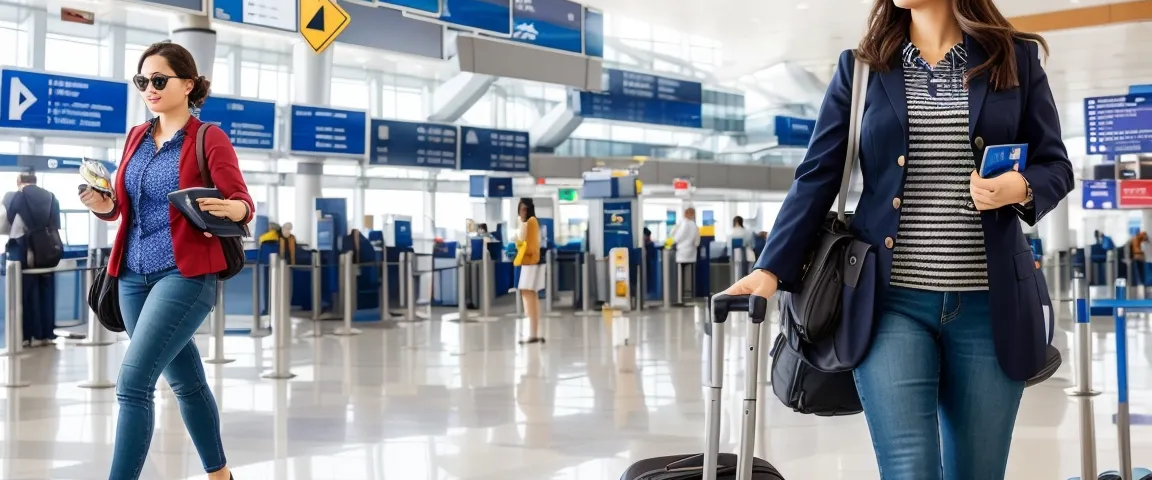
A simple five-minute habit is transforming how Americans experience airports. By pausing immediately after clearing security to check gate details, boarding status, and seat availability, travelers are avoiding stress, catching hidden seat improvements, and navigating airports with calm confidence. This in-depth guide explains why this overlooked moment matters, how it works in real life, and why it’s reshaping modern American travel.
Why Airports Feel Stressful Even for Experienced Travelers
Airports today are filled with technology designed to make travel easier—apps, digital boarding passes, live updates, and automated notifications. Yet many Americans still describe airport travel as exhausting, chaotic, and mentally draining.
The reason isn’t flying itself. It’s uncertainty.
Travelers routinely deal with:
- Gates changing with little notice
- Boarding times shifting unexpectedly
- Overcrowded seating areas
- Missed opportunities for better seats
- Feeling rushed without knowing why
Even frequent flyers often move through airports reactively, responding to announcements instead of anticipating changes. This constant state of alert creates stress long before the plane ever leaves the ground.
The surprising solution isn’t faster walking, premium upgrades, or expensive gear. It’s a five-minute pause at exactly the right moment.
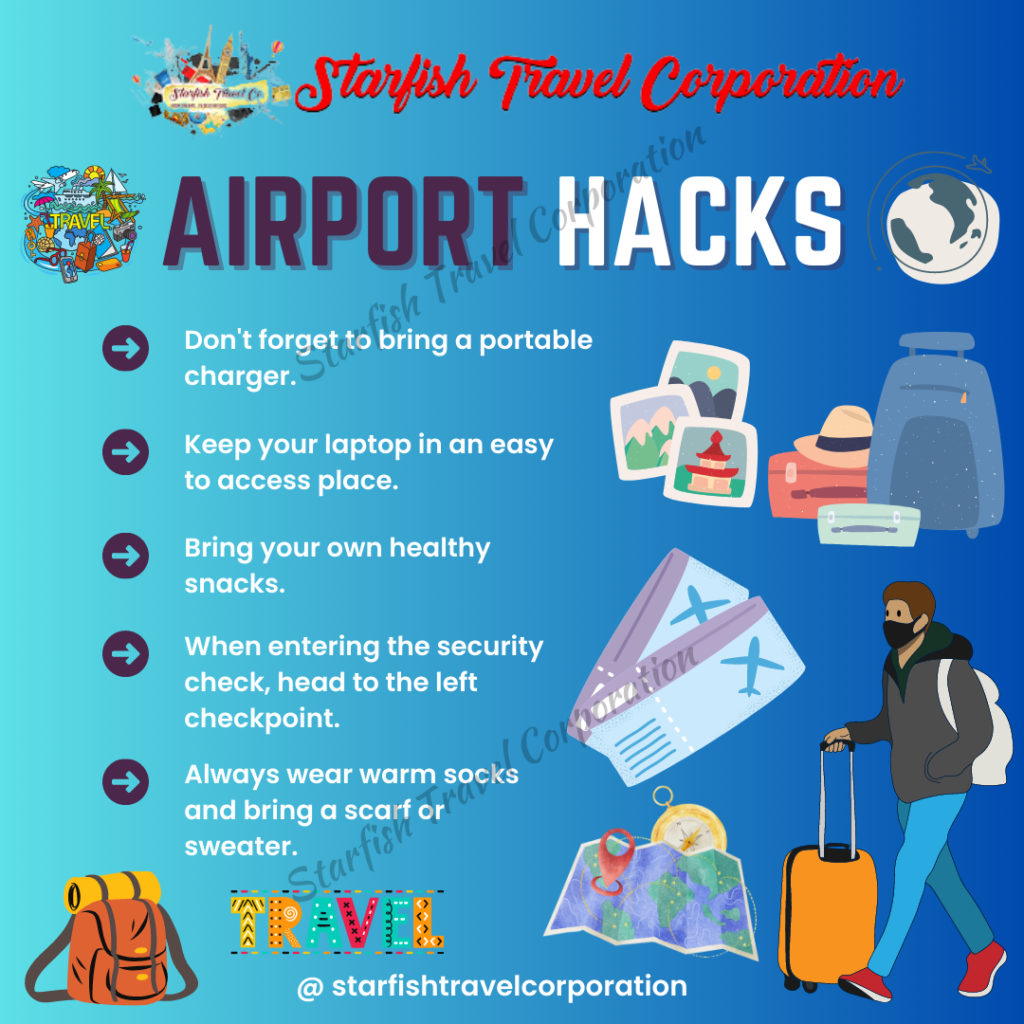
What Is the 5-Minute Airport Trick?
The trick is simple, intentional, and surprisingly powerful.
The 5-Minute Airport Trick:
Immediately after clearing airport security, stop moving for five minutes and check your flight information in detail before heading anywhere else.
This includes:
- Confirming your gate number
- Checking boarding time and boarding group
- Reviewing the seat map for open or blocked seats
- Noting nearby restrooms, food options, and quiet seating
The action itself isn’t revolutionary. The timing is.
Why the Moment Right After Security Is Critical
Most travelers check their flight details:
- At home before leaving
- In the car or rideshare
- While walking through the terminal
By that point, key opportunities are already disappearing.
The moment immediately after security is unique because:
- Airline systems refresh frequently
- Standby lists adjust
- No-shows are removed
- Gate assignments update quietly
- Seat availability changes in real time
This five-minute window is when information is freshest and most actionable.
How This Trick Instantly Changes the Airport Experience
You Stop Rushing Without Knowing Why
Many Americans rush through airports on autopilot. Clearing security feels like a signal to move fast, even when there’s no real urgency.
Real-life example:
A traveler clears security 90 minutes before boarding and immediately power-walks to the gate, only to sit cramped near a crowded boarding lane. Meanwhile, two gates away, there’s quiet seating, charging outlets, and space to relax.
A quick post-security check often reveals:
- Boarding hasn’t started
- The gate may still change
- There’s no need to rush
Knowing this instantly lowers stress.
You Catch Gate Changes Before the Crowd Does
Gate changes rarely happen all at once. Airlines usually update:
- Internal systems
- Airline apps
- Airport departure boards
Before making loudspeaker announcements.
Travelers who pause and check immediately after security often notice:
- Gate changes early
- Terminal shifts before crowds react
- Boarding delays that haven’t been announced yet
That five-minute pause can save long walks, confusion, and last-minute panic.
You Quietly Unlock Better Seats
This is the benefit most travelers don’t realize exists.
After security:
- Some passengers miss connections
- Standby passengers are cleared or removed
- Previously blocked seats open up
By checking the seat map early, travelers can:
- Move away from middle seats
- Switch to less crowded rows
- Gain extra space without paying
Real-life example:
Many economy travelers end up in nearly empty rows simply because they checked seat availability at the right time.
Why Most Americans Miss This Advantage
Habitual Momentum
Clearing security feels like a finish line. People instinctively keep moving instead of stopping.
Overconfidence in Notifications
Many travelers assume airline notifications will alert them to every change. In reality, notifications often lag behind internal updates.
Lack of Awareness
Most people don’t realize how dynamic flight information is right after security.
The data is available. The pause is missing.
How Frequent Travelers Think Differently
Seasoned travelers treat airports like systems, not obstacles.
They:
- Pause intentionally instead of rushing
- Scan information calmly
- Choose where to wait strategically
- Adjust plans early rather than reacting late
This behavior isn’t about traveling faster—it’s about traveling smarter.
The Psychological Shift: Regaining Control
Airports create anxiety because travelers feel powerless.
This five-minute habit restores control by:
- Replacing uncertainty with clarity
- Turning waiting time into informed choice
- Preventing last-minute surprises
When travelers know what’s happening, stress levels drop. Travel feels manageable instead of overwhelming.
How Five Minutes Early Saves Much More Time Later
Stopping briefly may feel counterintuitive, but it prevents bigger disruptions later.
This habit helps travelers avoid:
- Backtracking across terminals
- Standing unnecessarily during boarding confusion
- Scrambling for seats at the last minute
Five calm minutes early often save twenty chaotic minutes later.
What to Check During the 5-Minute Pause
Effective travelers focus on four key areas:
- Gate assignment: including nearby gates in case of changes
- Boarding time: not just departure time
- Seat map: newly opened or blocked seats
- Nearby amenities: restrooms, food, quiet seating
This information guides every next decision.
Where This Trick Makes the Biggest Difference
Large Hub Airports
Major US hubs change gates frequently. Early awareness is critical.
Short Layovers
A quick check can prevent missed connections.
Family Travel
Knowing where to wait reduces stress and crowd exposure.
Solo Travel
Seat changes and quiet zones dramatically improve comfort.
Why Airlines Don’t Actively Promote This Trick
Airlines benefit from predictable passenger flow. Encouraging everyone to:
- Change seats
- Move gates early
- Reposition themselves
Would increase workload at gates.
The advantage quietly belongs to informed travelers who know when to look.
Technology Made This Possible — Timing Makes It Powerful
Modern airline apps update constantly. But information alone doesn’t reduce stress.
Timing does.
Checking the right data at the right moment transforms technology into an advantage instead of background noise.
How to Make This Habit Automatic
Simple ways to lock it in:
- Stop immediately after security every time
- Open your airline app before walking anywhere
- Recheck if delays appear
- Treat it as part of the security process
After a few trips, it becomes second nature.
What This Trend Says About Modern American Travel
Americans are shifting from:
- Reactive travel → proactive travel
- Rushing → strategic waiting
- Stress → efficiency
This small habit reflects a broader move toward calmer, smarter travel.
Frequently Asked Questions (Trending US Travel Queries)
1. What is the 5-minute airport trick?
Ans. It’s pausing immediately after security to check gate status, boarding time, and seat availability.
2. Why should I check my flight after security?
Ans. Airline systems update most dynamically at that moment.
3. Can this really improve my seat?
Ans. Yes. Seats often open once passengers clear security.
4. Does this work without airline elite status?
Ans. Yes. Many improvements are available to all travelers.
5. Won’t airlines notify me anyway?
Ans. Often too late. Manual checks catch updates sooner.
6. Is this useful for short connections?
Ans. Extremely. Early information prevents missed flights.
7. Does this reduce airport anxiety?
Ans. Yes. Information restores a sense of control.
8. What if my gate hasn’t changed yet?
Ans. You’ll know where to wait and when to relax.
9. Should I repeat this later?
Ans. Yes, especially if delays or boarding changes occur.
10. Are more Americans using this trick now?
Ans. Yes. Frequent travelers rely on it consistently.
Final Thoughts
The biggest improvements in travel don’t come from upgrades or shortcuts—they come from timing. This five-minute airport habit doesn’t change airlines or airports. It changes how you move through them. By pausing at the right moment and checking the right information, Americans are traveling with less stress, fewer surprises, and more comfort. Sometimes, the smartest move in an airport is simply stopping.