
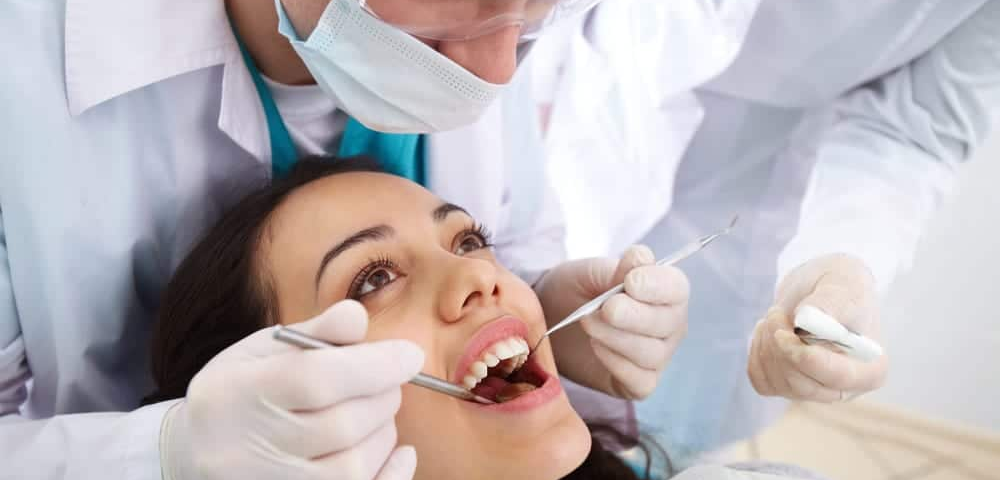
Your dentist can detect early signs of systemic diseases long before your doctor does. From diabetes and heart disease to sleep apnea, autoimmune disorders, nutritional deficiencies, and even cancer, the mouth reveals biological clues that physicians may overlook. Understanding these early oral indicators can help you catch health issues sooner, improve outcomes, and safeguard your long-term well-being.
Introduction
Most people assume doctors are the first to detect serious health issues—but in reality, your dentist often sees the earliest red flags long before your primary care physician ever does. Why? Because your mouth is a mirror of your internal health. The gums, tongue, saliva, jawbone, and even your breath hold clues to diseases that may be developing silently.
You might visit your dentist more often than your doctor, which gives them a front-row seat to subtle biological changes that unfold over months or years. Dentists examine the mouth under bright lights and magnification, noticing tiny shifts in tissue color, texture, and function that most people—and even most physicians—overlook.
This article breaks down exactly what dentists notice first, the conditions they can identify, and why these early signals matter more than you think. Backed by scientific data and real-life examples, this deep-dive explains why your dentist should be considered a crucial part of your preventive healthcare team.

Why Dentists Catch More Early Warning Signs Than Doctors
Dentists inspect the mouth in a way that is more detailed, thorough, and frequent than medical doctors. During an exam, your dentist is assessing:
- Gum inflammation
- Tongue coating and texture
- Saliva flow and thickness
- Bone density through X-rays
- Bite alignment and airway space
- Tissue lesions or discolorations
- Enamel wear patterns
- Breath odor compounds
- Microbial imbalance
Doctors rarely examine these features unless you specifically report symptoms. Meanwhile, dentists often notice micro signs of systemic issues months or years before they become serious.
1. Early Diabetes Symptoms Dentists Detect Before Physicians
One of the most common systemic conditions dentists identify first is diabetes. Many patients walk around with early-stage diabetes or prediabetes for years without knowing it.
Dentists often notice:
- Chronic dry mouth
- Fruity or sweet-smelling breath
- Gum disease that progresses unusually fast
- Frequent oral infections
- Slow-healing sores in the mouth
- Rapid plaque buildup
Why doctors miss it:
Most doctors only check blood sugar when symptoms become obvious, whereas dentists see these early oral changes twice a year.
Real example:
A woman in Kansas visited her dentist for bleeding gums. Despite good hygiene, her gums were receding rapidly. Her dentist recommended a glucose test—and she was diagnosed with Type 2 diabetes 18 months before her physician suspected anything.
The CDC reports that over 80% of Americans with prediabetes don’t know they have it, which makes dental detection increasingly important.
2. Sleep Apnea Signs Dentists Notice Before Sleep Specialists
Sleep apnea is one of the most undiagnosed conditions in America, but dentists trained in airway analysis often spot it first.
Common oral signs include:
- Scalloped edges on the tongue
- Worn-down teeth from nighttime grinding
- Constant jaw tension
- Narrow dental arches
- Enlarged tonsils
- Chronic mouth breathing patterns
These signs indicate that the patient may be struggling for air at night.
Why it matters:
Untreated sleep apnea increases the risk of:
- Stroke
- Heart attack
- High blood pressure
- Depression
- Weight gain
- Chronic fatigue
Many patients only discover their apnea when their dentist says something like:
“Your tongue and teeth show signs of airway obstruction at night.”
This early detection can literally save lives.
3. Gum Disease as a Predictor of Heart Problems
Your gums can reveal cardiovascular issues long before you feel chest pain or exhaustion.
What dentists see:
- Severe gum inflammation
- Shiny, swollen tissues
- Bone loss visible on X-rays
- Excess plaque despite consistent cleaning
The science behind the connection:
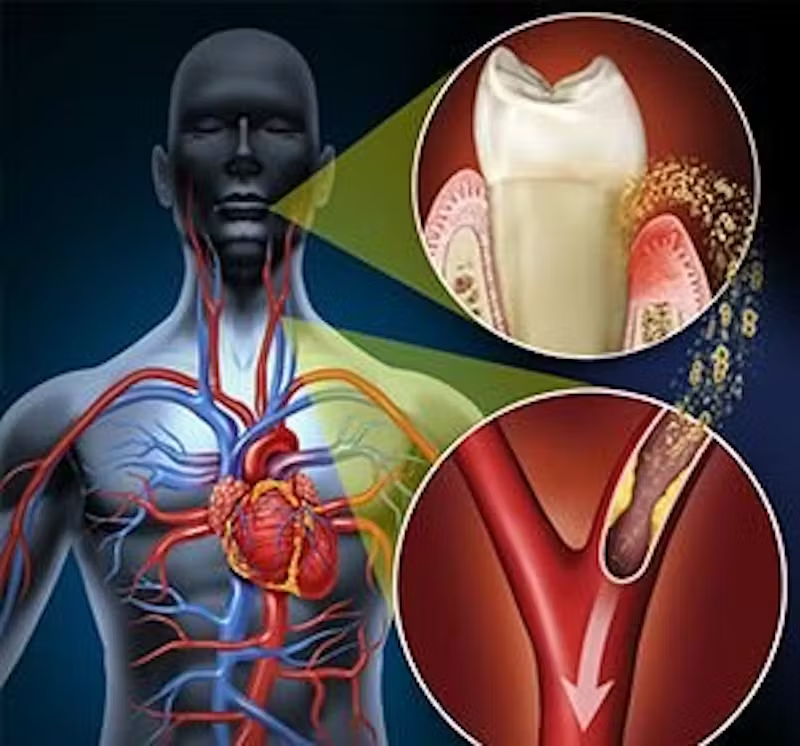
The American Heart Association has found that the bacteria responsible for gum disease can enter the bloodstream and travel to the heart, contributing to artery inflammation and plaque formation.
Real example:
A healthy 55-year-old man with no major lifestyle risk factors showed excessive gum swelling during a routine dental exam. His dentist urged him to get a cardiac evaluation. He later discovered early-stage atherosclerosis he had no idea he was developing.
Doctors almost never examine the gums this closely, making dental visits crucial for early intervention.
4. Vitamin and Nutrient Deficiencies Dentists Identify First
Nutritional imbalances often show up in the mouth long before bloodwork reveals them.
Dentists commonly spot:
- Cracks at the corners of the mouth → B vitamin deficiency
- A burning or swollen tongue → Iron deficiency
- Pale gums → Anemia
- Recurrent mouth ulcers → Zinc or folate deficiency
- Weak enamel → Vitamin D deficiency
- Bleeding gums → Vitamin C deficiency
Case example:
A college student complained of tongue irritation. Her dentist immediately suspected anemia due to the tongue’s appearance—and blood tests later confirmed this. She had no fatigue or typical anemia symptoms yet.
This is why a dental exam is often the first place nutritional deficiencies get noticed.
5. Stress Disorders Revealed Through Teeth and Jaw Patterns
Stress is often visible in the mouth long before it’s noticeable in behavior or mood.
Dentists frequently see:
- Grinding or clenching (bruxism)
- Cracked or chipped teeth
- Jaw pain and tightness
- Cheek biting
- Receding gums
While doctors may attribute fatigue or headaches to stress, dentists can observe physical damage caused by chronic tension or emotional overload.
In many cases, dentists are the first to ask:
“Have you been feeling stressed lately?”
6. Autoimmune Diseases that Show Oral Clues First
Autoimmune disorders such as lupus, Crohn’s disease, and Sjögren’s syndrome often present initially with oral symptoms.
Dentists may notice:
- Severe dry mouth
- Ulcers
- Tongue fissures
- Difficulty swallowing
- Swollen salivary glands
These subtle signs help dentists identify patterns that suggest systemic immune dysfunction—sometimes years before a diagnosis is confirmed by a physician.
7. Oral Cancer Signs Dentists Detect Early
One of the most life-saving aspects of dental care is oral cancer screening. Doctors do not routinely inspect the mouth for cancer, but dentists do at every visit.
Warning signs include:
- White or red patches
- Tissue thickening
- Hard lumps
- Persistent sores
- Jaw stiffness
Early detection improves survival by up to 90%, underscoring the importance of routine oral exams.
8. Digestive Issues That Show Up in the Mouth
Your digestive system and oral cavity are directly connected. Dentists may notice:
- Acid erosion on the enamel → GERD
- Bad breath caused by stomach acid → Reflux
- Fungal infections → Gut imbalance
- Metallic taste → Liver or kidney issues
Doctors rarely examine enamel erosion patterns, which often hold clues about digestive health.
9. Bad Breath as a Systemic Warning Sign
Bad breath isn’t always about poor hygiene—it can indicate internal disease.
Different odors suggest different issues:
- Sweet/fruity → Diabetes
- Ammonia-like → Kidney disease
- Sulfur/fishy → Liver problems
- Metallic → Medication or toxicity
Dentists can differentiate these odors and guide patients toward appropriate medical testing.
10. Why Your Dentist Is Your First Line of Preventive Healthcare
Dentists spend years studying oral tissues, bone, nerves, biomechanics, and systemic correlations. They see you regularly, often more frequently than your doctor. And because the mouth is the gateway to the body, it reveals early changes before more visible symptoms appear elsewhere.
In many cases, your dentist might be the only professional capable of catching early warning signs that can prevent severe disease, disability, or even death.
Regular dental visits are not only about cleanings—they are a vital part of whole-body preventive care.
10 Frequently Asked Questions (FAQs)
1. Can my dentist really detect early diabetes?
Yes. Gum inflammation, dry mouth, and slow healing often appear long before blood sugar tests catch abnormalities.
2. Why does my dentist ask about my sleep?
Features like tooth wear, tongue shape, and airway space indicate potential sleep apnea.
3. What diseases first show symptoms in the mouth?
Diabetes, autoimmune disorders, acid reflux, vitamin deficiencies, anemia, and heart disease.
4. Can dentists detect cancer?
Dentists are trained to identify early signs of oral cancer that doctors often overlook during routine physicals.
5. How is gum disease connected to heart problems?
Oral bacteria can trigger inflammatory responses in arteries, raising cardiovascular risk.
6. Why does stress affect my teeth?
Chronic stress leads to clenching, grinding, enamel wear, and gum recession.
7. Can my dentist tell if I have vitamin deficiencies?
Yes. Mouth ulcers, pale gums, fissured tongues, and weakened enamel indicate nutritional issues.
8. What does a scalloped tongue mean?
Typically, it indicates airway restriction or sleep apnea.
9. What does chronic bad breath say about my health?
It may signal metabolic disorders, kidney issues, liver disease, or digestive imbalance.
10. Should I tell my dentist about medications I take?
Absolutely. Many medications affect saliva production, taste, gum health, and oral tissue healing.
Final Takeaway
Your dentist is not just a tooth specialist—they are a critical member of your healthcare team who can identify early signs of disease long before your doctor notices them. Regular dental visits are a powerful tool in preventive health, helping you detect problems early, seek timely treatment, and protect your long-term well-being.